
Understand the procedure before choosing your next step.
Stem Cell Infused PRP is a doctor-performed procedure using tissue collected from your own body. It differs from blood-derived PRP. If you’re considering it for hair loss, start with a complimentary Advanced Hair Check to discuss your concerns and the medical assessment needed.

What Is Stem Cell Infused PRP?
Stem Cell Infused PRP involves micro-fragmented adipose tissue, or fat tissue, collected from your own body. The tissue contains Stromal Vascular Fraction (SVF), including adipose-derived stem cells. A doctor performs the procedure using local anaesthetic.
‘Autologous’ means the tissue comes from the person receiving treatment. Using your own tissue does not, on its own, establish a procedure’s effectiveness or safety. Your treating doctor should explain the procedure, supporting evidence and risks relevant to you.

How Does It Differ From Standard PRP?
Stem Cell Infused PRP and our Growth Factors program use different materials and preparation steps. Understanding the difference helps you ask your treating doctor about each procedure and its suitability.
Stem Cell Infused PRP
This procedure involves your own adipose tissue. Your treating doctor should explain the exact preparation and whether blood-derived PRP forms part of your proposed treatment.
Growth Factors / Standard PRP
Platelet-rich plasma, or PRP, is prepared from a blood sample. Our Growth Factors program involves separating the platelet-rich plasma and injecting it into the scalp. It has a different preparation process from collecting adipose tissue.
The procedures need separate assessment. Similar names and the use of your own tissue do not mean they produce equivalent results.
Explore Growth Factors for men or Growth Factors for women.
Is This an Option for Your Hair Loss?
This procedure is described for androgenetic alopecia, commonly called male or female pattern hair loss. Your treating doctor needs to assess whether it is appropriate for you.
Your diagnosis, medical history, previous treatment and expectations all matter. Sudden shedding, patchy loss and gradual thinning can need different assessments. A Hair Check can help you discuss the next step; suitability for a medical procedure requires assessment by the treating doctor.
Know What Is Involved Before You Decide
1
Start With Your Hair Loss History
Tell us when you noticed a change, which areas concern you and what you have tried. Bring details of current medicines and relevant medical conditions to any medical assessment.
2
Understand the Medical Procedure
The procedure is performed by a doctor using local anaesthetic. Before deciding, understand what tissue collection and scalp treatment involve, the possible side effects and the evidence for the recommendation.
3
Plan for Care and Review
Before proceeding, understand the recovery instructions, follow-up arrangements, expected review period and full cost. Ask who to contact if you have concerns afterwards.
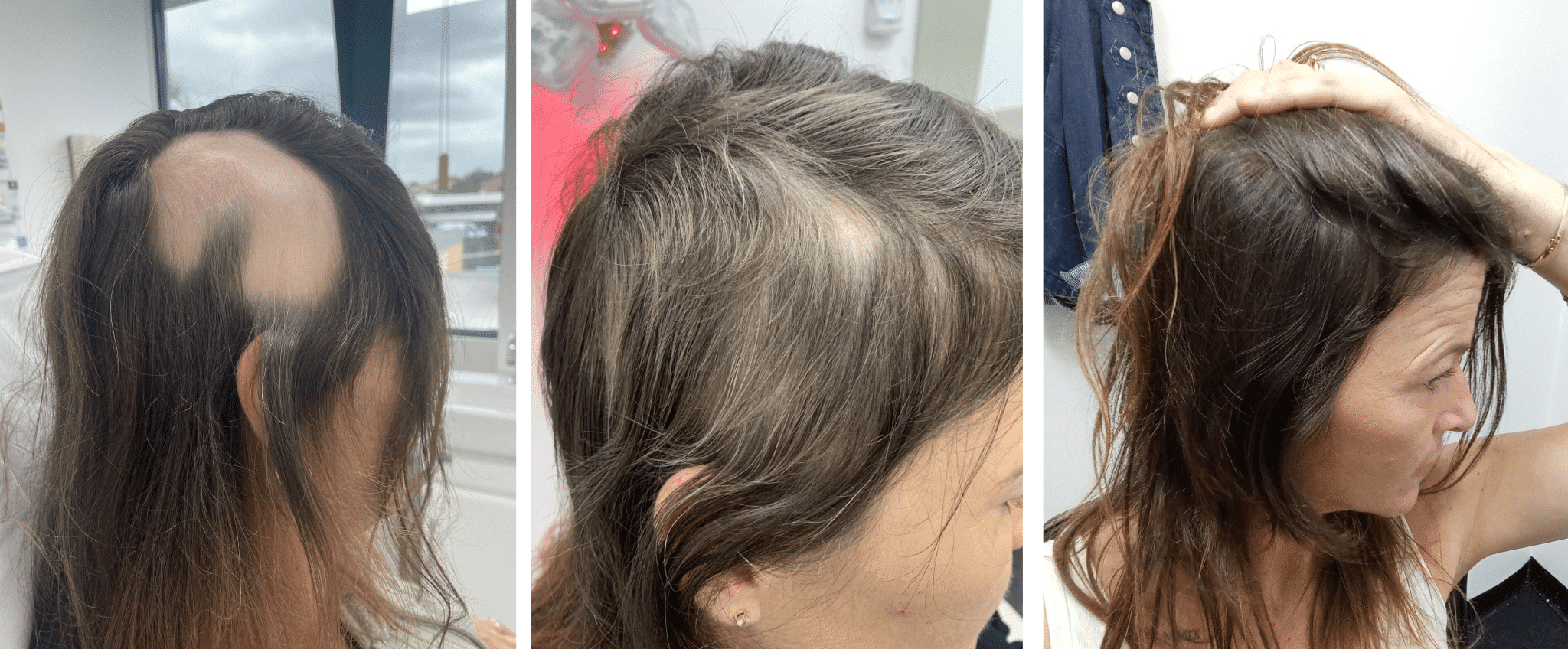
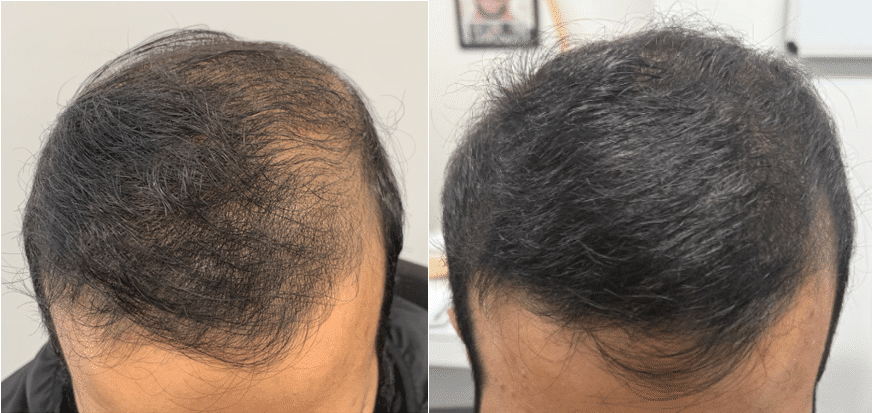
Understanding Treatment Photographs
Recovery, Follow-up and Cost
A medical procedure needs a plan that works for your everyday life. Ask when you can wash and style your hair, return to work, exercise and resume your usual activities. Follow the instructions given for your procedure, including care of any tissue collection site.
Request a quote covering the procedure, medical appointments, aftercare and any additional treatment. Your complimentary Hair Check is the initial consultation; medical procedures and subsequent appointments have separate costs.
Explore the Available Hair Loss Options
You don’t need to choose a treatment before contacting us. Compare the options with Advanced Hair Studio, then find out what assessment is needed.
Growth Factors
Advanced Laser Therapy
Explore Advanced Laser Therapy for men or Advanced Laser Therapy for women and the program’s components. A treatment shown in a combined case is not automatically included in another procedure.
View our male hair loss treatments or female hair loss treatments to compare the wider range. Recommendations and any combination of treatments depend on individual assessment.
Stem Cell Infused PRP FAQs
Is Stem Cell Infused PRP the same as standard PRP?
No. Stem Cell Infused PRP involves adipose tissue, while standard PRP is prepared from blood. Your treating doctor should explain the material used, how it is prepared and whether more than one procedure is recommended.
Can men and women discuss this procedure?
Yes. The procedure is described for pattern hair loss in men and women. Your treating doctor needs to assess your condition and medical history before making a recommendation.
Is the procedure painless?
Local anaesthetic is used, but discomfort and recovery still need to be considered. Ask the doctor what to expect during tissue collection, scalp treatment and afterwards.
How soon will I see a change?
There is no result date that can be promised for everyone. Ask the treating doctor what outcome is supported by the evidence, when it would be reviewed and how progress would be assessed.
How many appointments will I need?
Ask for a plan setting out the assessment, procedure and follow-up appointments. If repeat procedures or other treatments are recommended, have their purpose, timing and additional cost explained before you decide.
Is PRP or laser therapy included?
Confirm exactly what your proposed plan and quote include. One illustrated case involved three treatments, but that does not establish a standard package for everyone.
Is the initial Hair Check free?
Yes. Advanced Hair Studio offers a complimentary, no-obligation Hair Check. Ask separately about charges for medical assessment, the procedure and follow-up, and whether any referral arrangements apply to you.
Take the First Step With an Advanced Hair Check
Bring your hair concerns and questions to a complimentary Advanced Hair Check. Talk through the available options and the next assessment step. Before any medical procedure, your treating doctor should explain the evidence, risks, recovery and cost.
Or call Advanced Hair Studio on 1800 800 500.
Medical procedures require individual assessment. Outcomes vary, and risks, recovery and costs should be discussed with the treating doctor.

